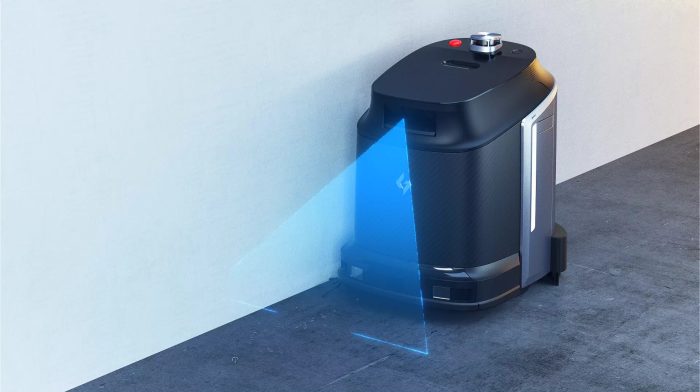
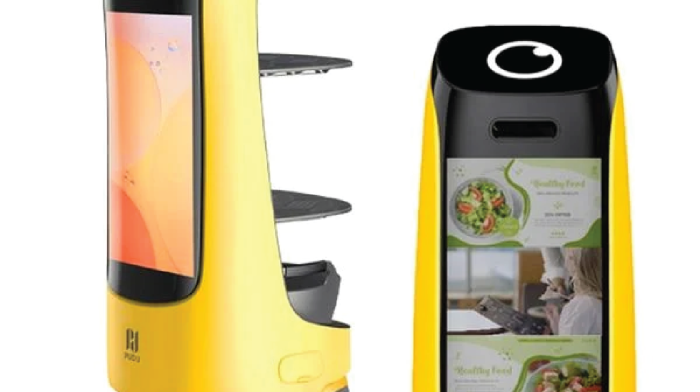
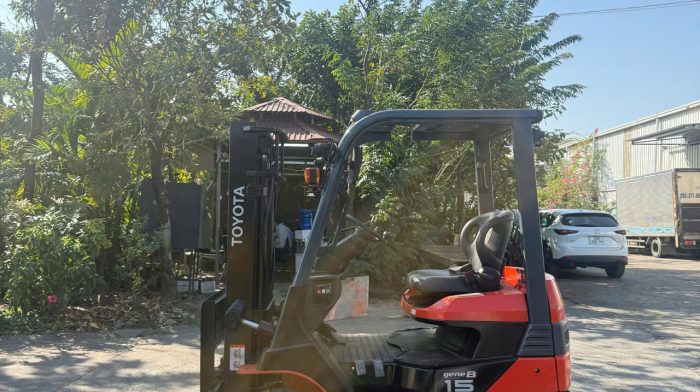
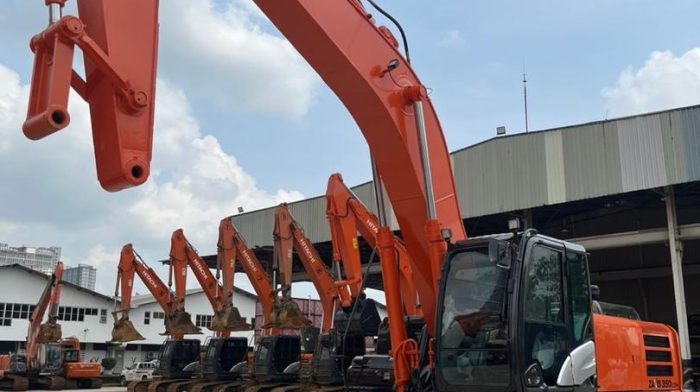
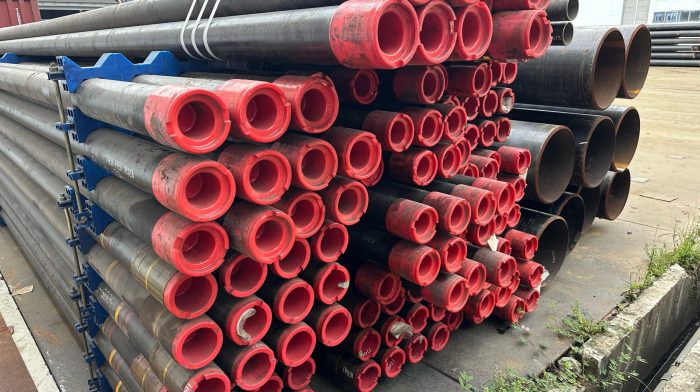
This asset is being sold As-Is/Where-Is. It is highly recommended that you preview prior to bidding
on this lot. To schedule an inspection, please contact Alvin Lee at alvin@leeongcorp.com. Please
know that the asset contact requires a 48 hour notice prior to inspection. At a minimum, the bidder
will be required to wear long pants, safety toe boots, hard hat and safety glasses. Please verify with
the Asset Contact if additional safety requirements exist. Please note that you will be turned away if
you do not fulfil the onsite safety requirements.
When the lot is awarded, the winning bidder will receive a buyer certificate – payment instructions
are provided within the buyer certificate. Further information regarding payment can be found in
section 5 of the buyer’s terms and conditions.
Full Payment is due no later than three (3) business days from the time and date of the close of the
auction. Buyer’s not making payment within three (3) business days may be defaulted for non-
payment and their account will be suspended
TAX EXEMPTION: Where taxes are applicable, it is the responsibility of the bidder to provide Tax
Exempt documents. Buyer must send Tax Exempt documents to support@leeongcorp.com within 48
hours of the auction close and before payment is made.
Contact Person:
Alvin Lee
Alvin@leeongcorp.com
– Warehouse is not equipped for loading out.
– Buyer is responsible for all labor, equipment, logistics and associated fees for loading out.
– Buyer is responsible to find out removal charges before bidding
– Buyer will receive Load Out Authorization (LOA) once payment and required documents
have been provided.
– Buyer’s removal agent must be LOA on hand at the time of arrival at yard and removal
– Buyer has to inform yard contact person the date and time of removal and is subject to
approval
– Buyer must remove assets within 10 business days from the time and date of close of
auction. If there is a mutual agreement between Buyer and Yard Contact Person, Buyer will
be responsible to document the agreement. Items not collected after the standard/agreed
time frame will be considered abandoned in place.
– Buyer’s removal agent must satisfy Seller’s onsite safety protocol else, the Seller reserves
the right to cease the removal at any stage.
SELLER TERMS: If applicable, Signed Terms of Sale may be required prior to the release of this
asset(s). By visiting location of this material or placing a bid on this lot, prospective Buyer agrees
they have read, understand, and agree to abide by these terms.
NOTICE: If you are the winning bidder and default by failing to adhere to this Seller’s Terms and
Conditions, your account with BBL.COM WILL BE LOCKED.
GUARANTY WAIVER: All property is offered for sale AS IS, WHERE IS Seller makes no warranty,
guaranty or representation of any kind, expressed or implied, as to the merchantability or fitness for
any purpose of the property offered for sale. Please note that upon removal of the property, all sales
are final.
DESCRIPTION WARRANTY: Seller warrants to the Buyer that the property offered for sale will
conform to its description. Any claim for misdescription must be made prior to removal of the
property. If Seller confirms that the property does not conform to the description, Seller will keep
the property and refund any money paid. The liability of the Seller shall not exceed the actual
purchase price of the property.
BIDS BELOW RESERVE: If applicable, final bids below a reserve price are binding for seven (7)
calendar days and will be presented to the Seller, who may decline the offer, accept the offer, or
submit a counter offer.